I have previously written about re-committing to the habit of reading. I wanted to share a couple more changes that I have made in the last year which have assisted in this endeavour.
The first is that I bought a Kobo e-reader. In my previous post, I said that I was “more inspired by the feeling of a physical book in my hands” – but I have revised this opinion in the last year! I still love a physical book, but e-readers are so light and practical. I had started using my Kindle again because of this, but it was beginning to show signs of wear and tear (hardly surprising, considering it was 10 years old and a hand-me-down from my dad). So for Christmas, I did my research, and got myself a Kobo Sage.
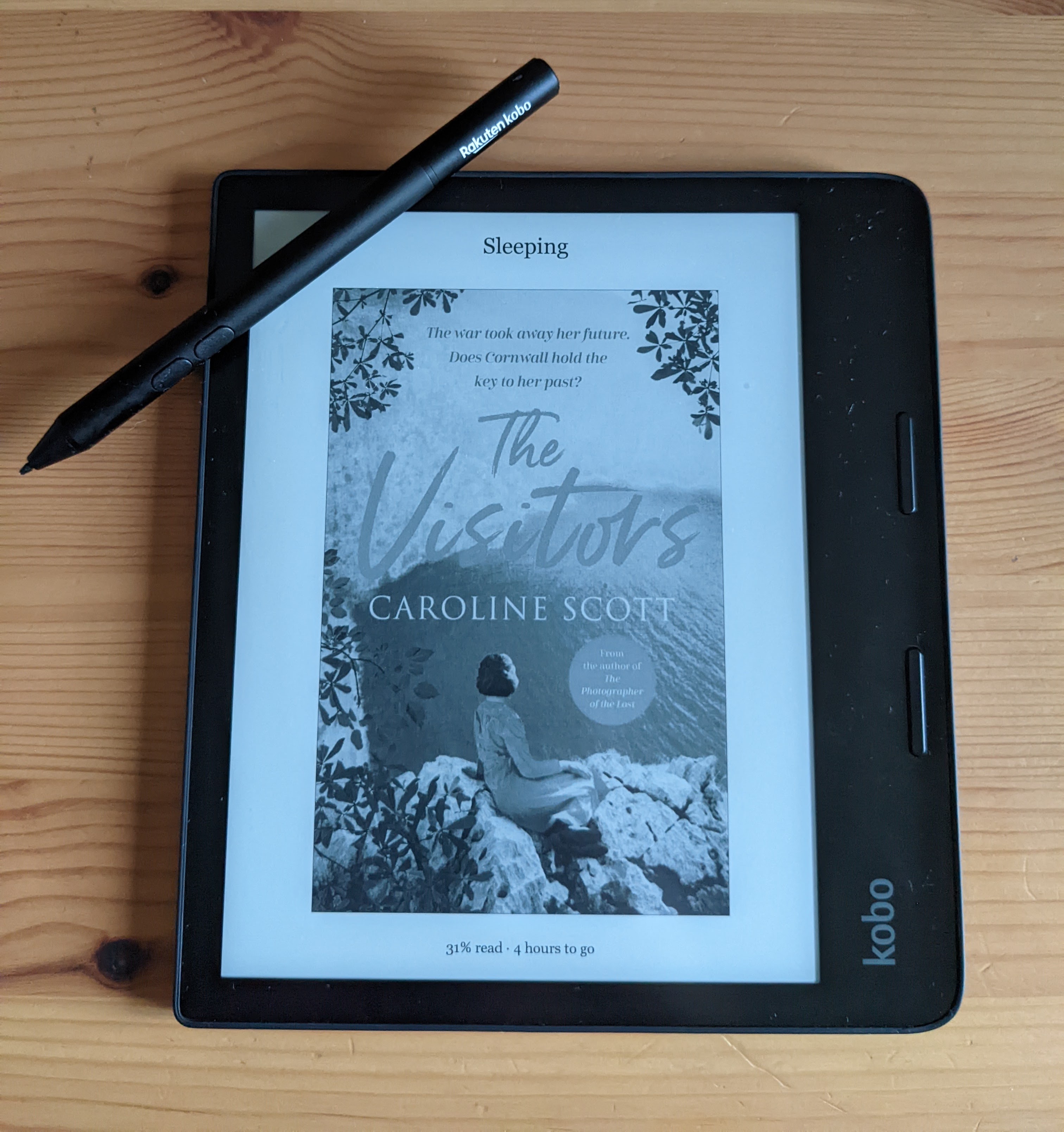
There are several things I adore about the Kobo:
- It’s so comfortable for reading – light and ergonomically pleasing.
- I can borrow library books on it! This is through the Overdrive app, which is simple, and very much promoted by Kobo.
- I’ve picked up several books cheaply through the Kobo daily deal – a book for 99p. I’ve read several things that I wouldn’t have come across otherwise, some of them excellent.
- It’s not Amazon! This was a big driver in my choice. I’ve tried to move away from Amazon in various spheres (not wanting to support a company that perpetuates poor working conditions, and preferring to lend my custom to smaller/more local businesses). Kindles are also very locked-down e-readers, whereas Kobo plays nicely with various file types and applications (so is closer to my generally open-source principles.)
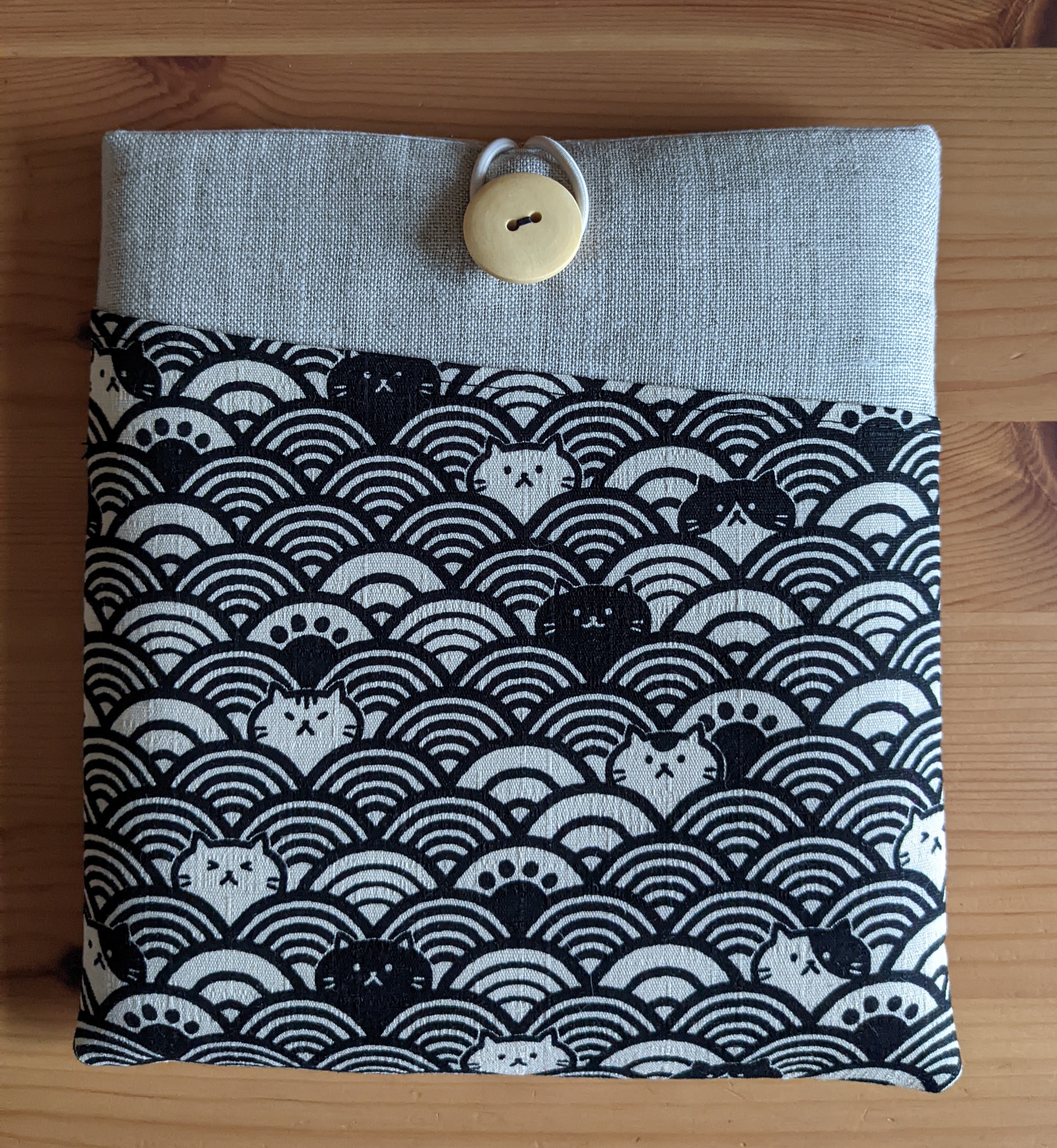
- I have a lovely case for it from Etsy.
- It’s neat that I can annotate books with the stylus, and it has a nice notebook feature. I can’t say I’ve used these much yet – but I think it might be helpful for academic reading.
The other thing I’ve done is switch my allegiance from the tracking app Goodreads (owned by Amazon) to Storygraph.
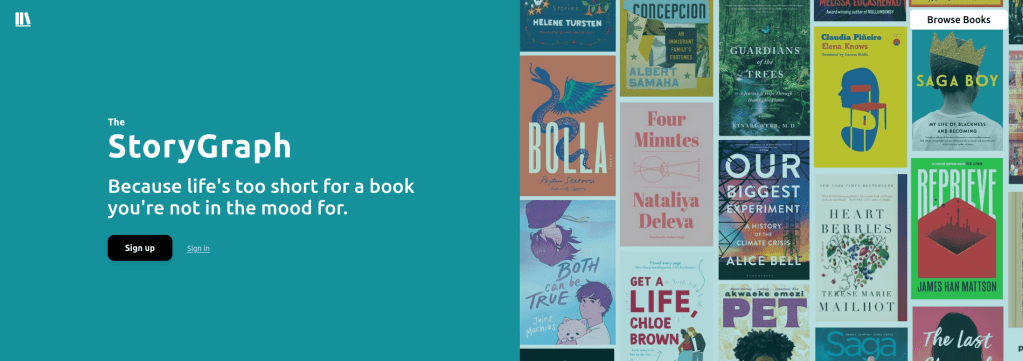
This was recommended to me by my brilliant friend Maddie. Here, again, are the things I love about it:
- The app is sleek and simple.
- One of the default shelves, along with ‘to read’, ‘currently reading’ and ‘read’, is ‘did not finish’. I was having a real quandary about how to deal with this in Goodreads! As I said in my previous post, I allow myself to give up on a book if it is hampering my enjoyment of reading. Storygraph is very much set up to deal with this – allowing you to say how far you got and why you gave up.
- The annual reading goals allow you to set a number of books and a number of pages. This is great, because books can vary so much in number of pages, so if you’ve committed to a tome of 1000 pages, you can see that effort reflected.
- When you leave a review, it prompts you with questions. I find this helps me to respond critically to the book.
- The focus is the books, rather than on social interaction (always my preference, in life generally!). Other people’s reviews are not nearly as prominent as on Goodreads.
- You guessed it… it’s not Amazon! Storygraph was founded by a woman of colour who started coding it as a side project, and it is (impressively) run by a team of three people.
- They’re constantly adding new features. For example, they’ve just added a facility for checking whether a book is available at your local library. They’re also transparent about their roadmap and the future changes they hope to make.
The one thing I miss about Goodreads is the widget, which I liked seeing at the bottom of this website. Hopefully that’s a feature that Storygraph will add in the future!
 Cryptic Meg