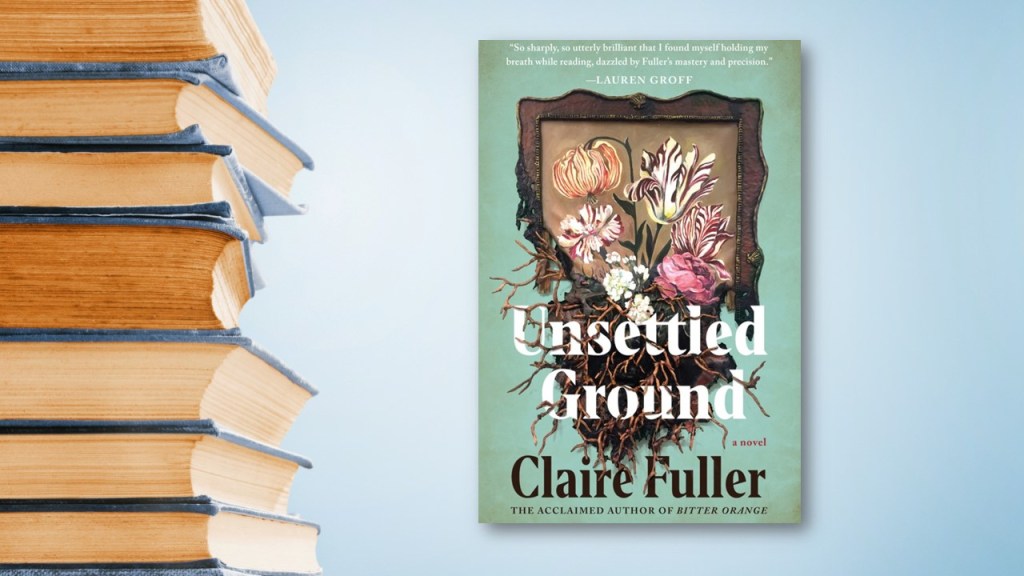
Unsettled Ground is a novel by Claire Fuller, published in 2021. I picked it up as a daily deal on my e-reader, purely because I read the blurb and thought it sounded interesting. In the end I found it strangely compelling, but so depressing that I struggled to dredge out the valuable messages that it was trying to impart.
Without spoilers, I think I can say this: the book is about 51-year-old twins living in a cottage with their mother, who dies at the start. They were already quite cut off from society (with no phones/computers, no television, no bank accounts, no romantic relationships, no steady work), and their mother’s death leads them into increasingly dire straits. It is a book about family, poverty, rural life, isolation, pride, deceit, and love.
I galloped through the book because it was nicely written and structured. As I read, it provoked me to reflect on our responsibilities to each other, particularly those on the geographical, social and technological outskirts. I was so frustrated by the problems that the protagonists encountered because they had been slowly failed since childhood by those who should have looked out for them: their family, their neighbours, the education system, the health system, social services… everyone. The story showed extremely effectively how incremental omissions of duty eventually culminated in a family who could no longer function in our society, despite their resourcefulness. The ground crumbled away beneath them. No one person or event was responsible for their downfall (although everything was precipitated by a mysterious past trauma – the details of which are slowly revealed.)
The problem with the book was that my appreciation for these issues was clouded by the sheer misery of it all. The interminable deterioration of their lives dragged me into something of a stupour. Just when I thought it couldn’t get worse, of course it did. There were so rarely glimmers of hope. This may be an accurate reflection of poverty: life is constantly, relentlessly hard. But I don’t read fiction to be depressed by depictions of suffering, especially when we see so much real-world hardship in the news.
The only response that bypassed my numbness to it all was anger. The characters incensed me with their self-destructive pride, their hurtful lack of consideration for others, and (in one case) selfish and ruinous deception. Character flaw upon character flaw contributed to their ordeal, and I particularly wanted to shake the protagonists for not accepting help. These flaws also highlighted important societal issues – such as the shame of admitting vulnerability and receiving ‘charity’ – but once again I felt I had to beat against the torrent of negativity to come to this understanding.
This was an impressive piece of writing, but as you can see, not my cup of tea. Let’s find something cheerier to read next.
 Cryptic Meg