A couple of weeks ago I went to my first academic conference, which was in Harrogate (see previous blog post). I was due to have a lot of free time, so before I went to Yorkshire I hatched a grand plan…
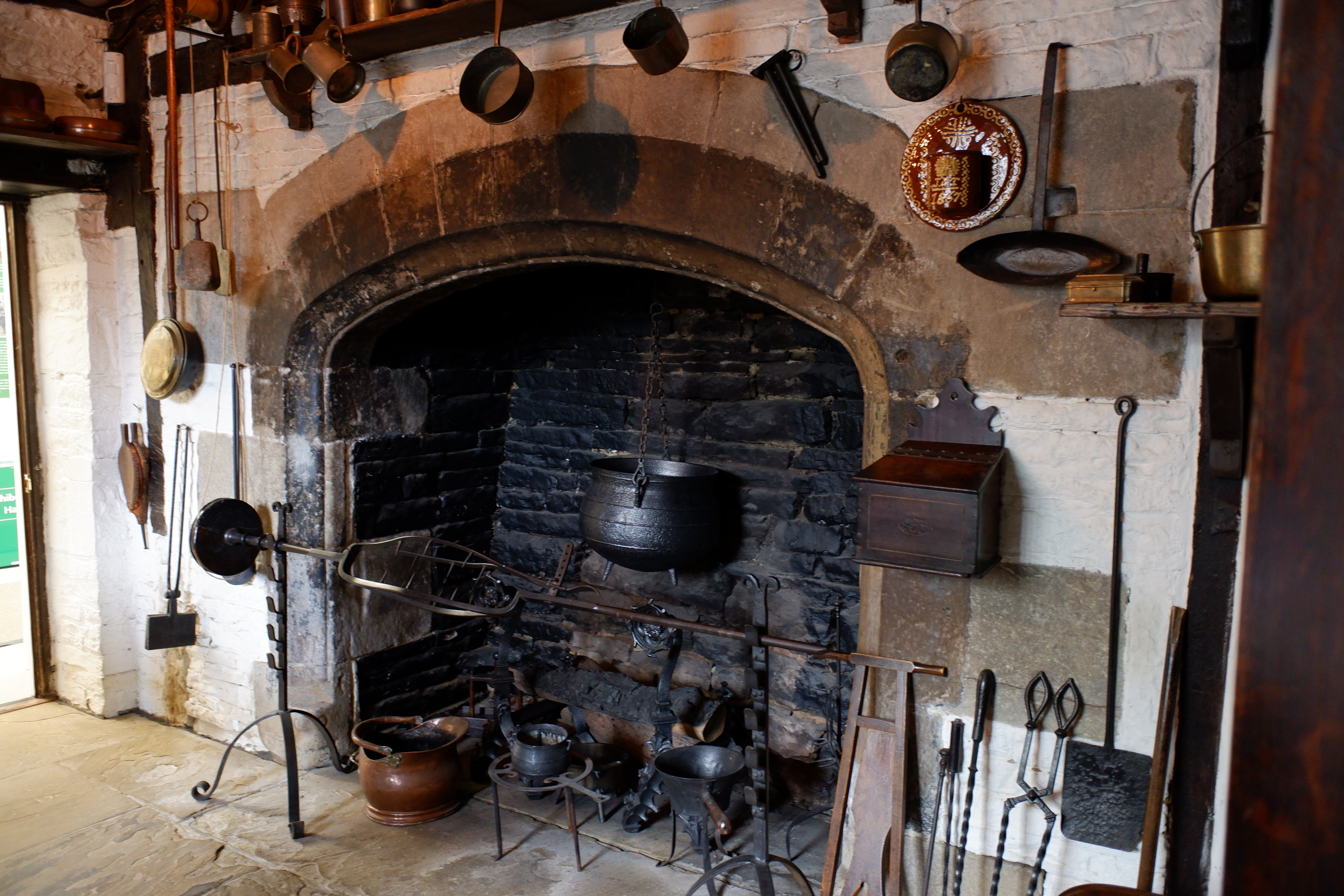
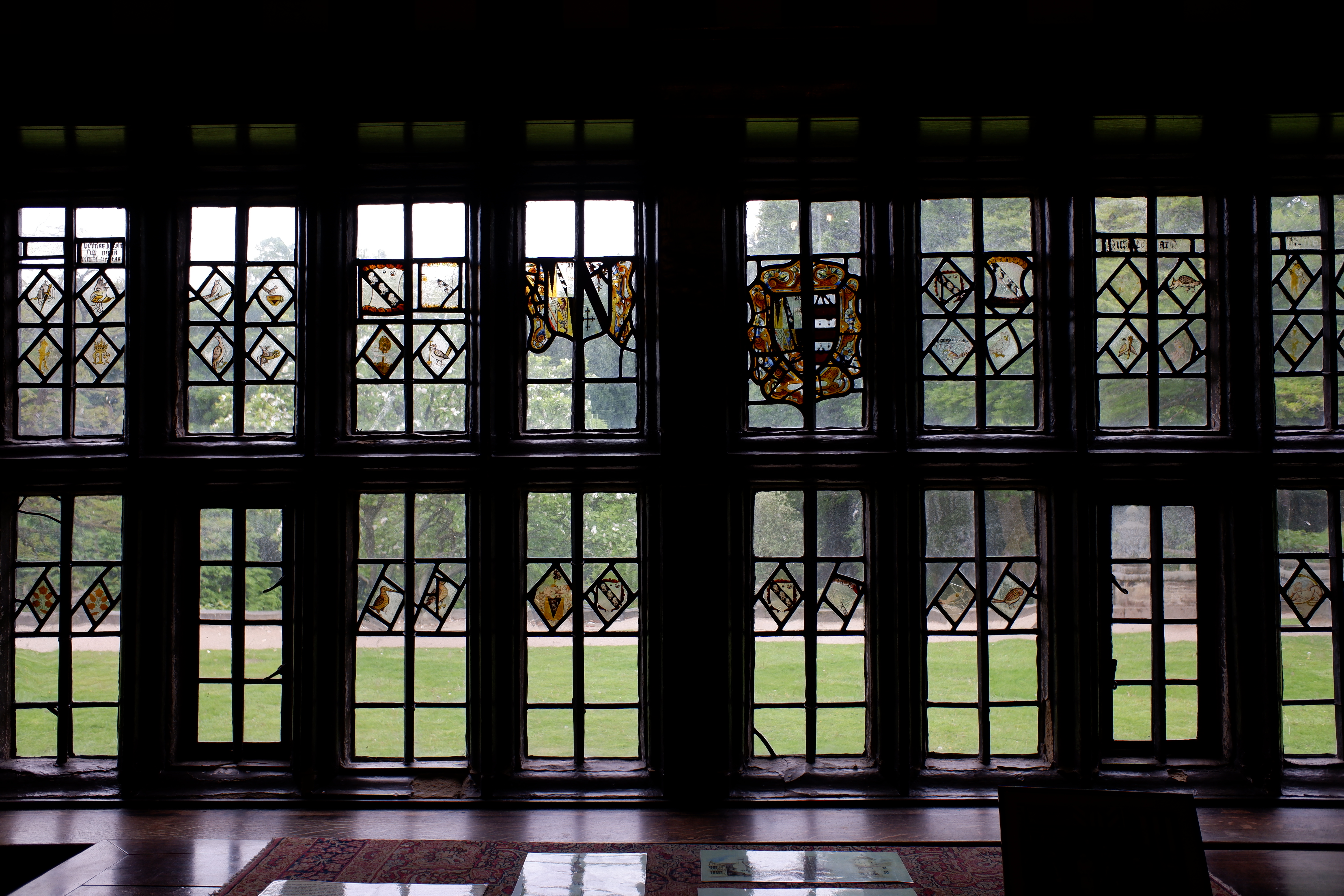
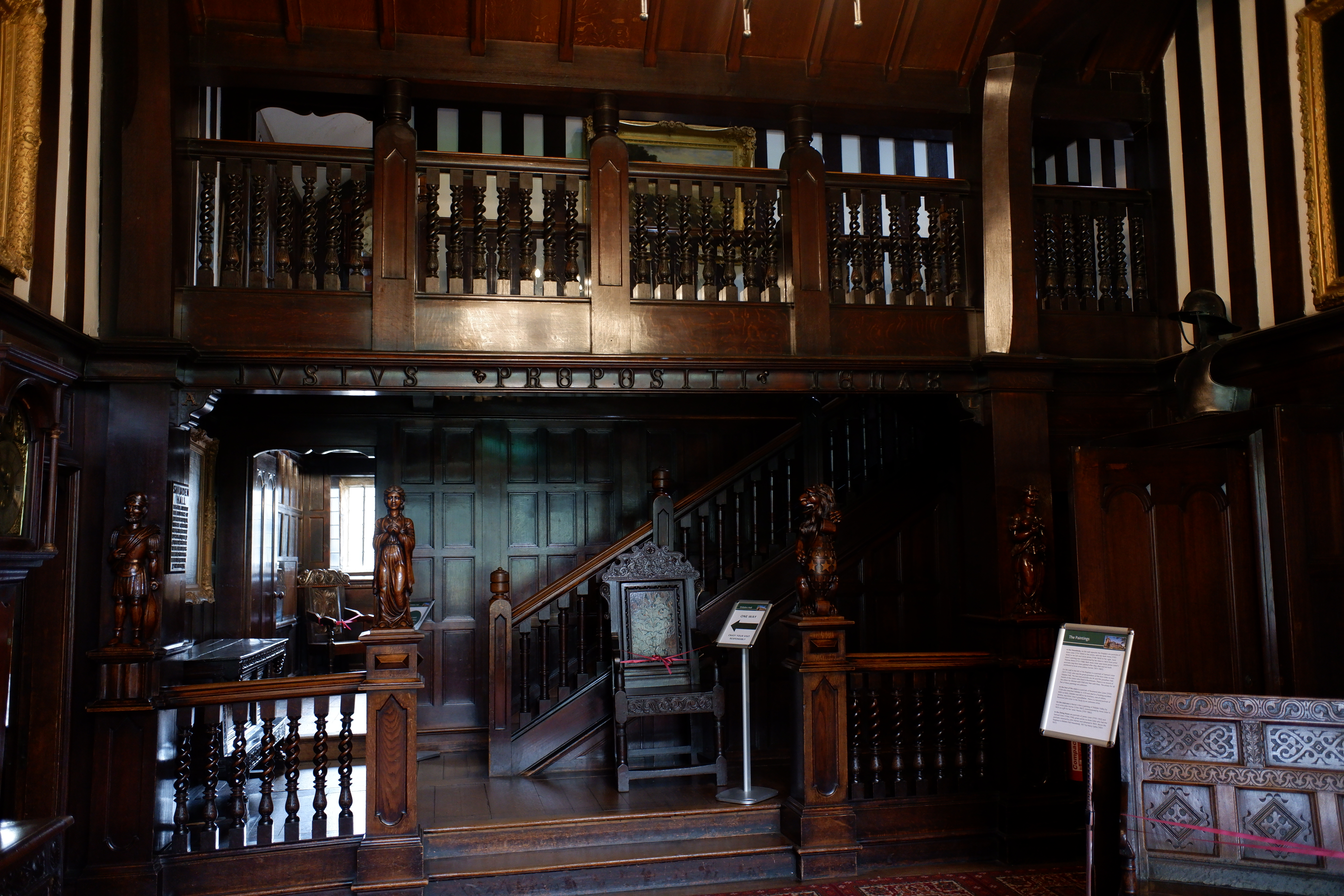
The morning after I had presented my poster at the conference, I got a train to Leeds. Then I got a train to Halifax. Then I stomped up the hill (taking a long detour due to a closed road and footpath). Then, two hours after I had set out, I descended into the grounds of my intended destination: Shibden Hall.
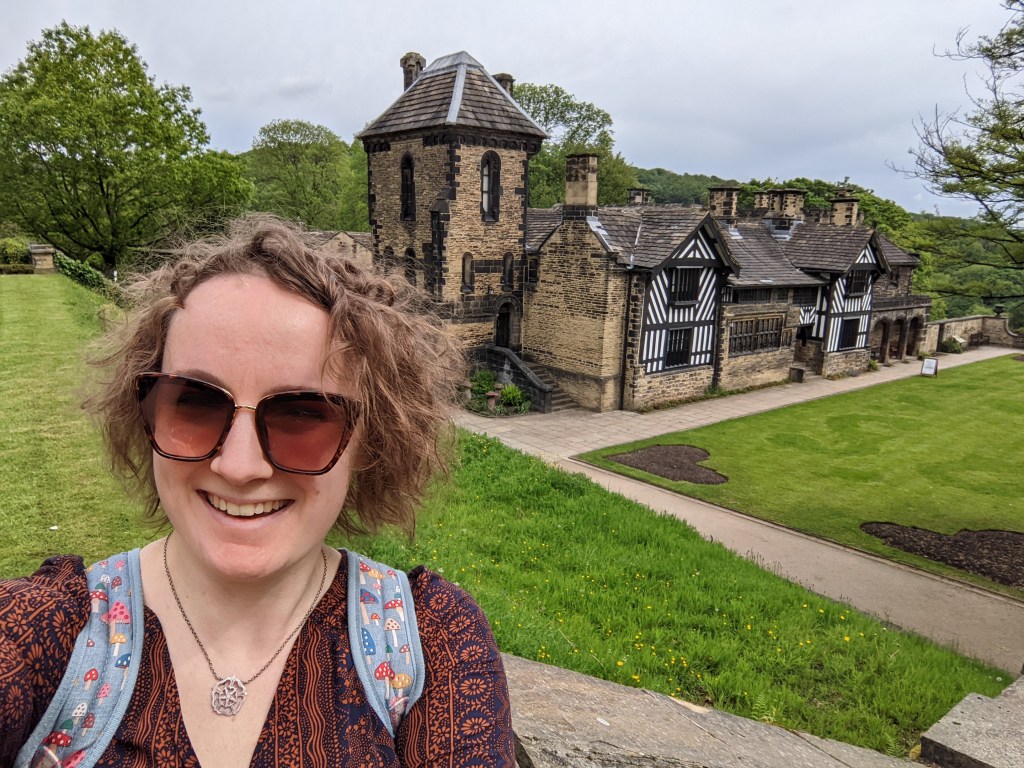
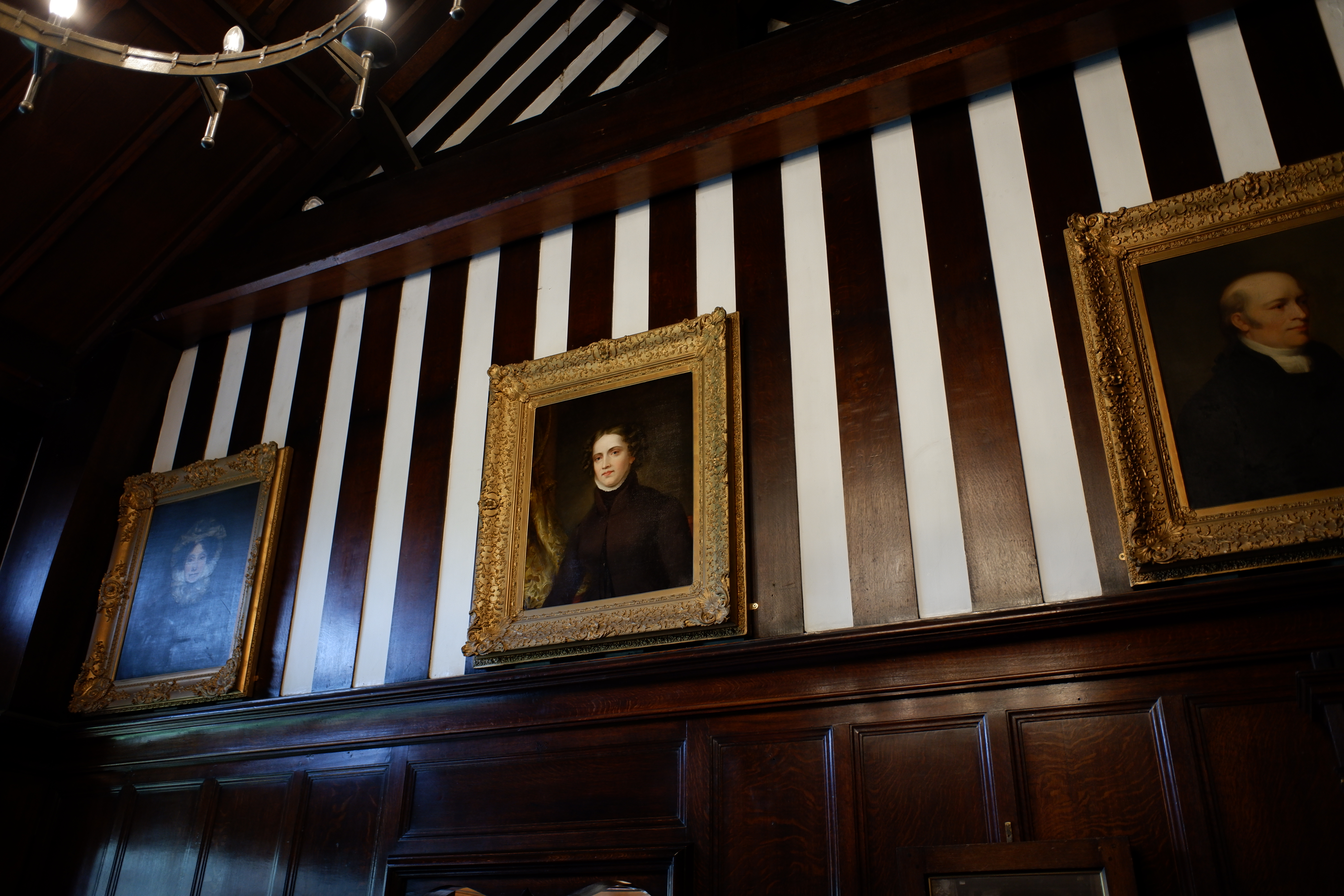
Shibden Hall was built in 1420, and is most famous for having been the home of Anne Lister, also known as “Gentleman Jack”, so perfectly portrayed by Suranne Jones in the eponymous TV series. Much of the filming was done at Shibden, so many of the sights will be familiar to fans of the series. (In fact, a nice old gentleman stopped me just outside the hall to point out all of the locations I might recognise!). Anne, who lived from 1791 to 1840, is famous for having been a diarist (who meticulously documented her life in more than five million words), a scholar, a businesswoman, a property owner, a traveller, and a lesbian. Her nickname was derived from the fact that she dressed all in black (as was only the custom for men at the time) and behaved like a man.
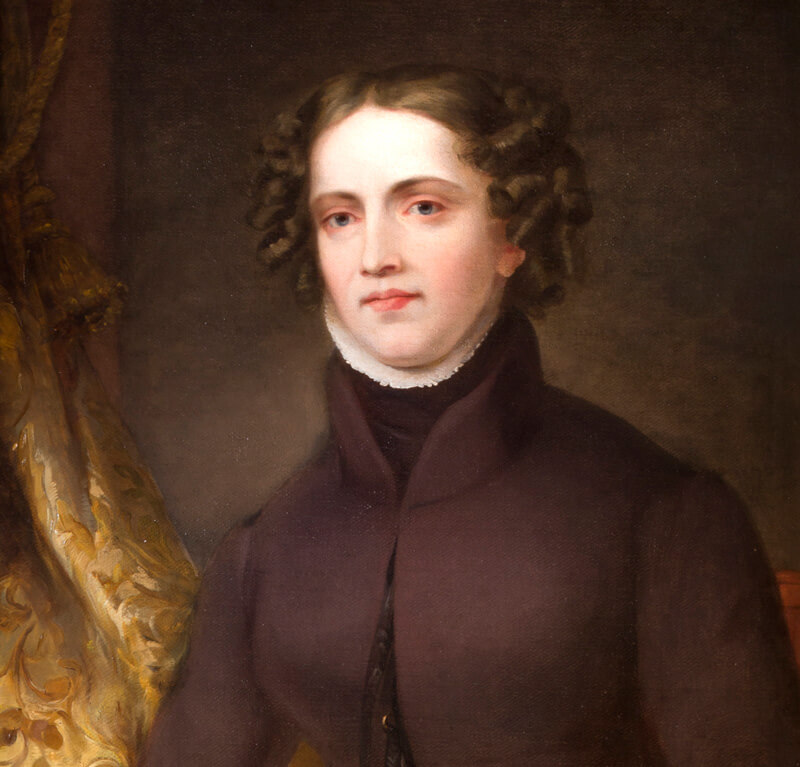
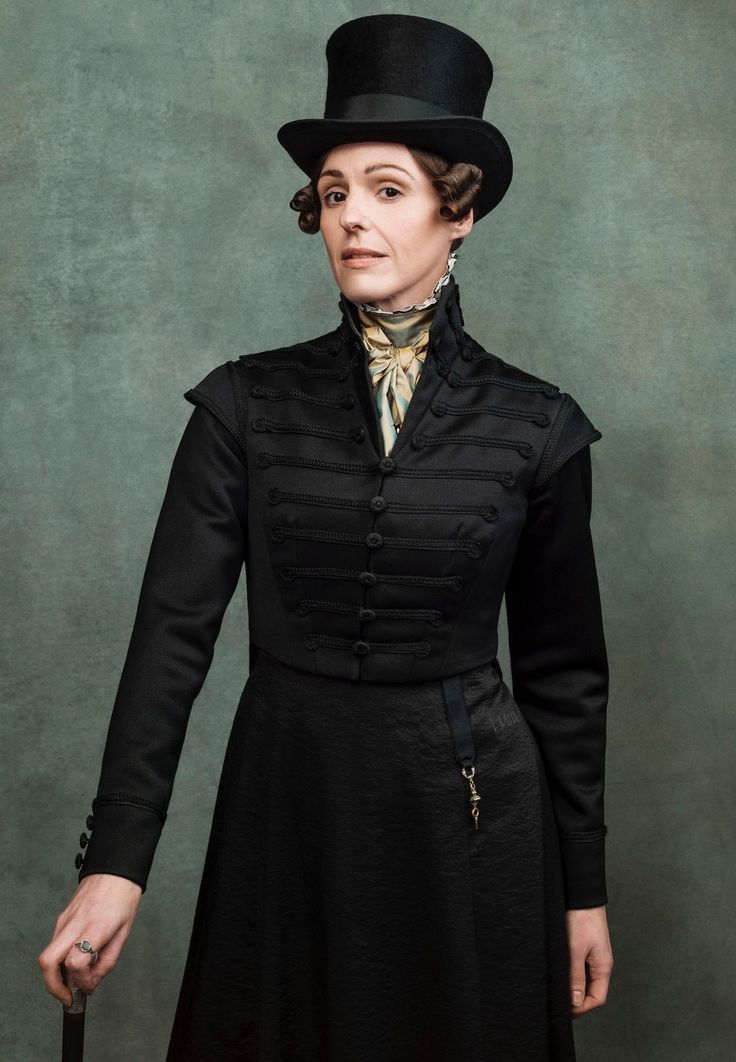
I first encountered Anne ten years ago in my history degree at York. We had to write about a local case study, and were given a list from which to choose. Anne was one of the case studies. My particular historical interest was then (and is still) the Tudors, so I chose to write about Henry VIII’s progress to York in 1541. But I didn’t forget that brief introduction to this remarkable woman.
Fast-forward to today, and I have found myself with a growing affection for Anne, very much catalysed by Sally Wainwright’s beautifully written TV series. I am inspired by Anne’s refusal to submit to societal norms, her sheer force of personality, her intellect and her integrity. In some ways I am like her – I am a female in a male-dominated world (of computer science), and I often don’t conform to the social expectations that are tied to my gender, age, etc. But in other ways I am distinctly unlike her – I worry constantly about what people think of me, and I lack her strength of character and conviction. Thus she has become something of a role model.
I have always enjoyed visiting historic buildings, as they provide a tangible connection to the generations of human experience lived out between their walls. Shibden Hall was particularly special, indeed emotional, because I knew some but not all of Anne’s story. (Don’t worry, no spoilers here for the TV series).
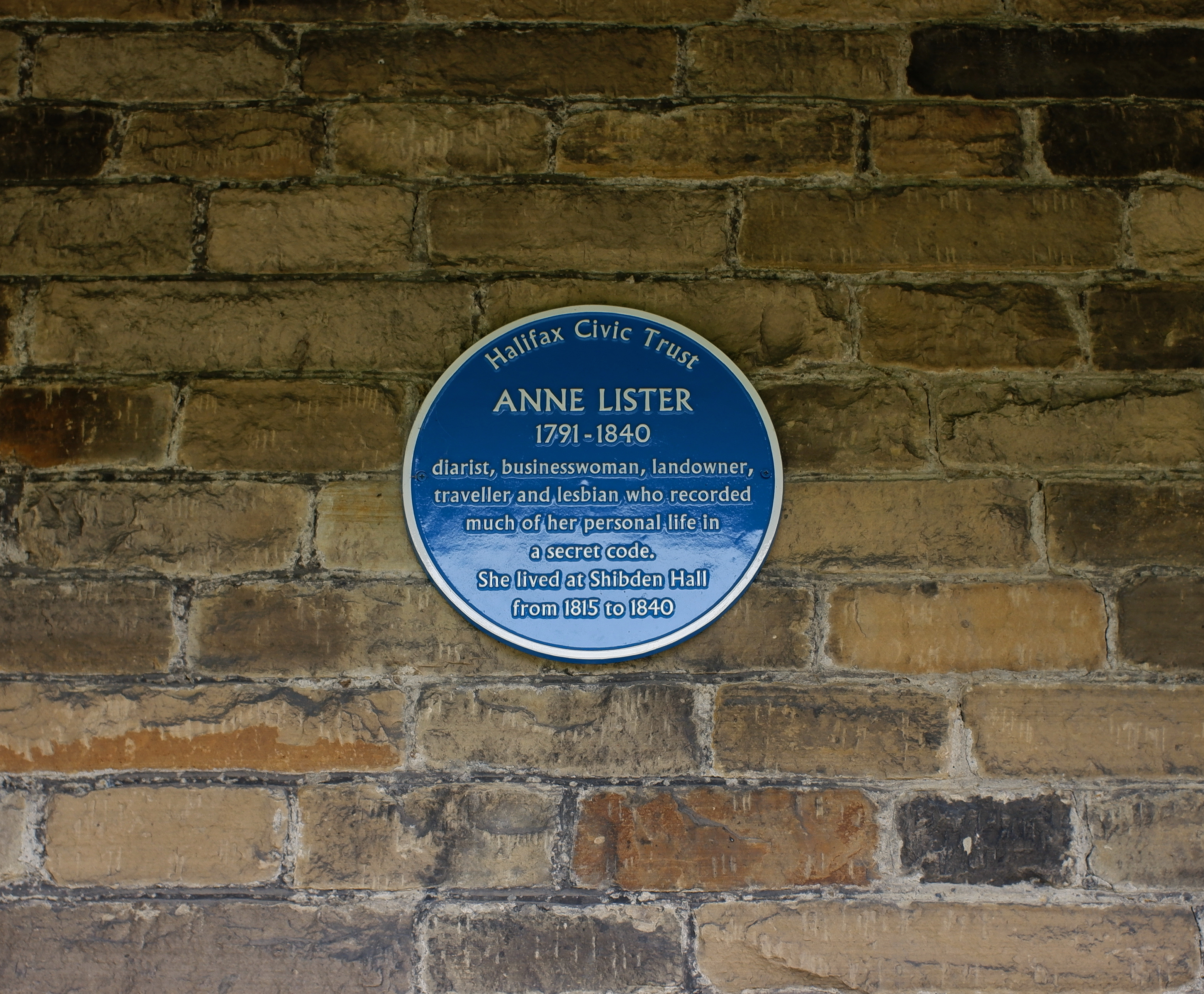
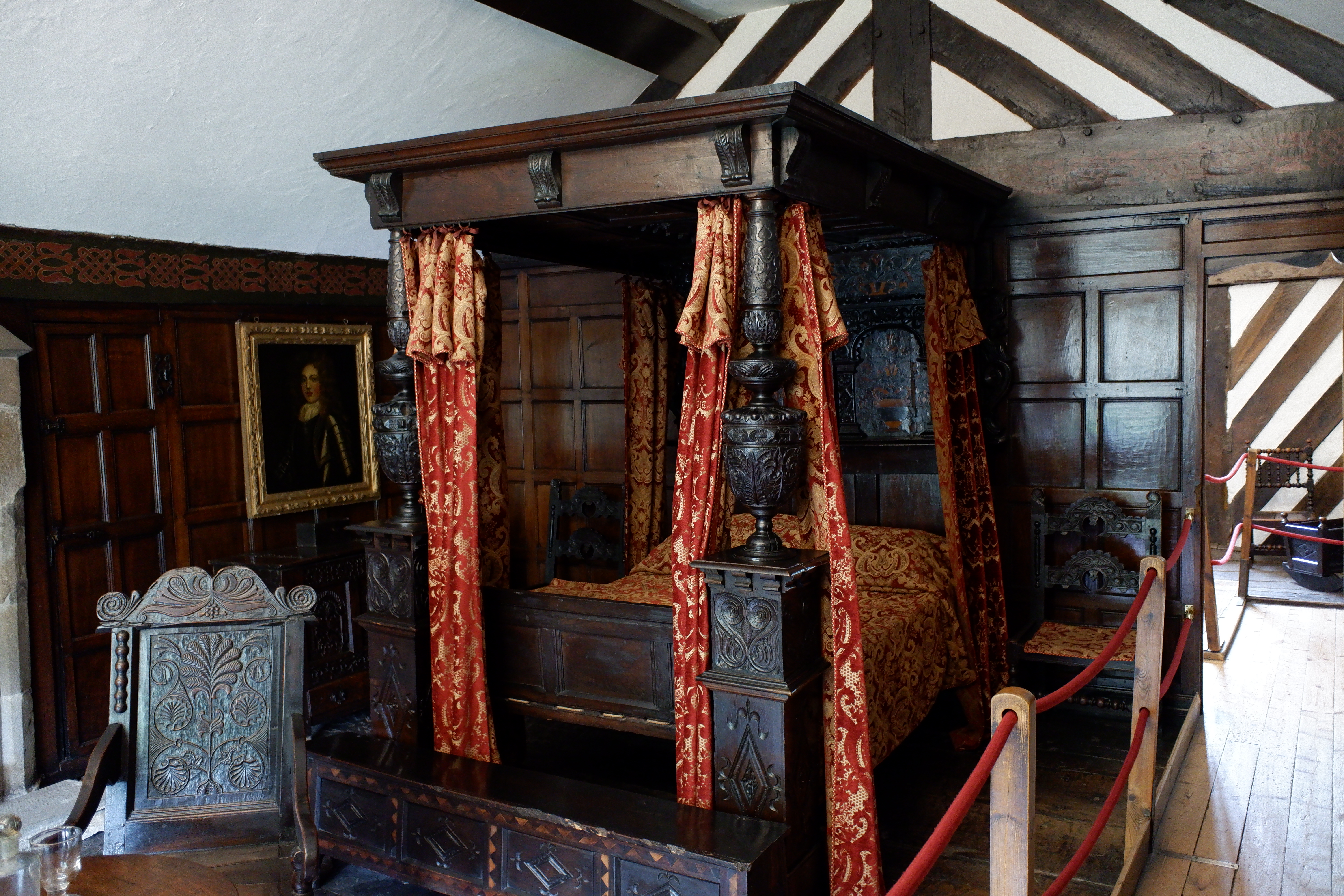
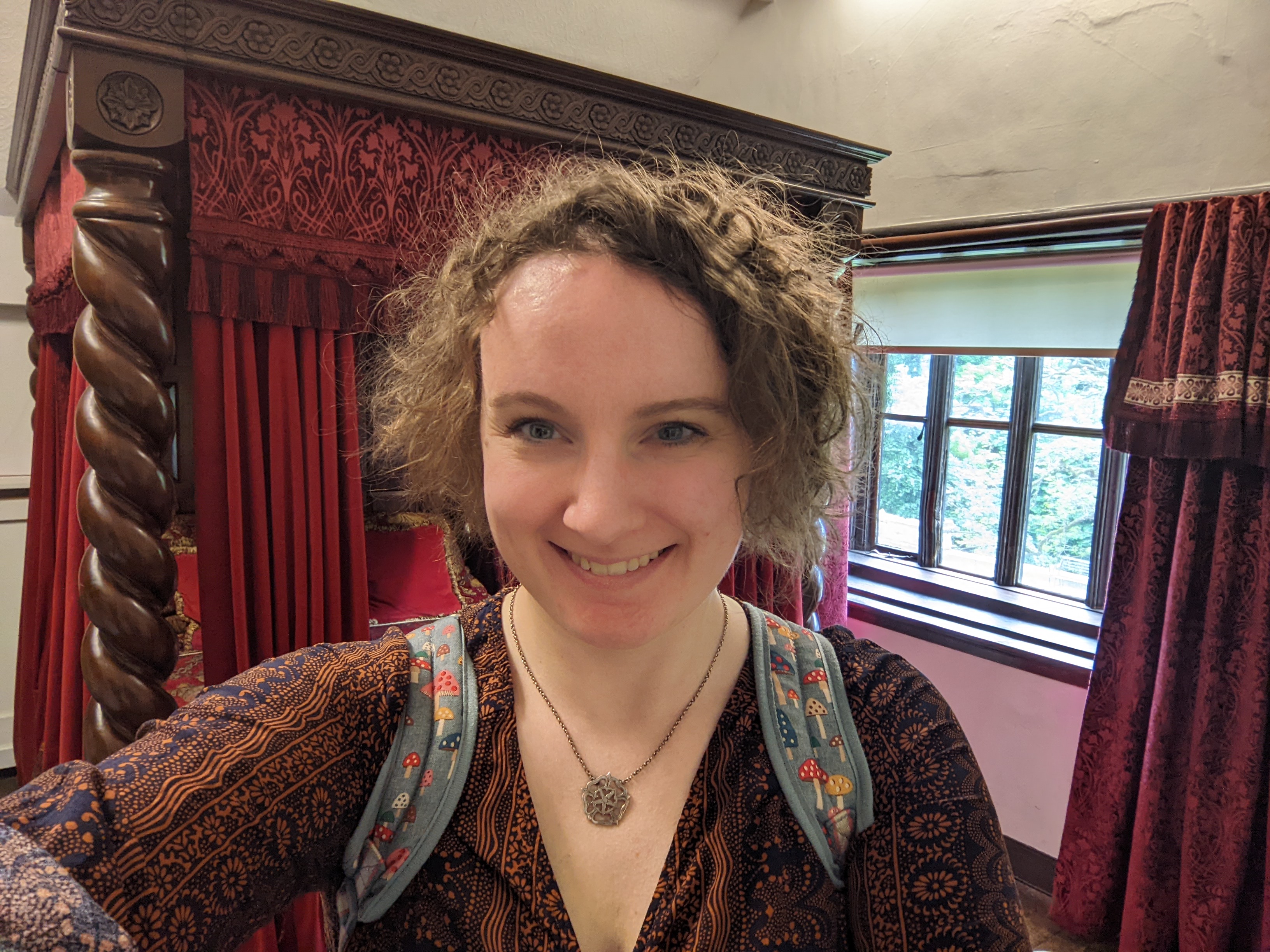
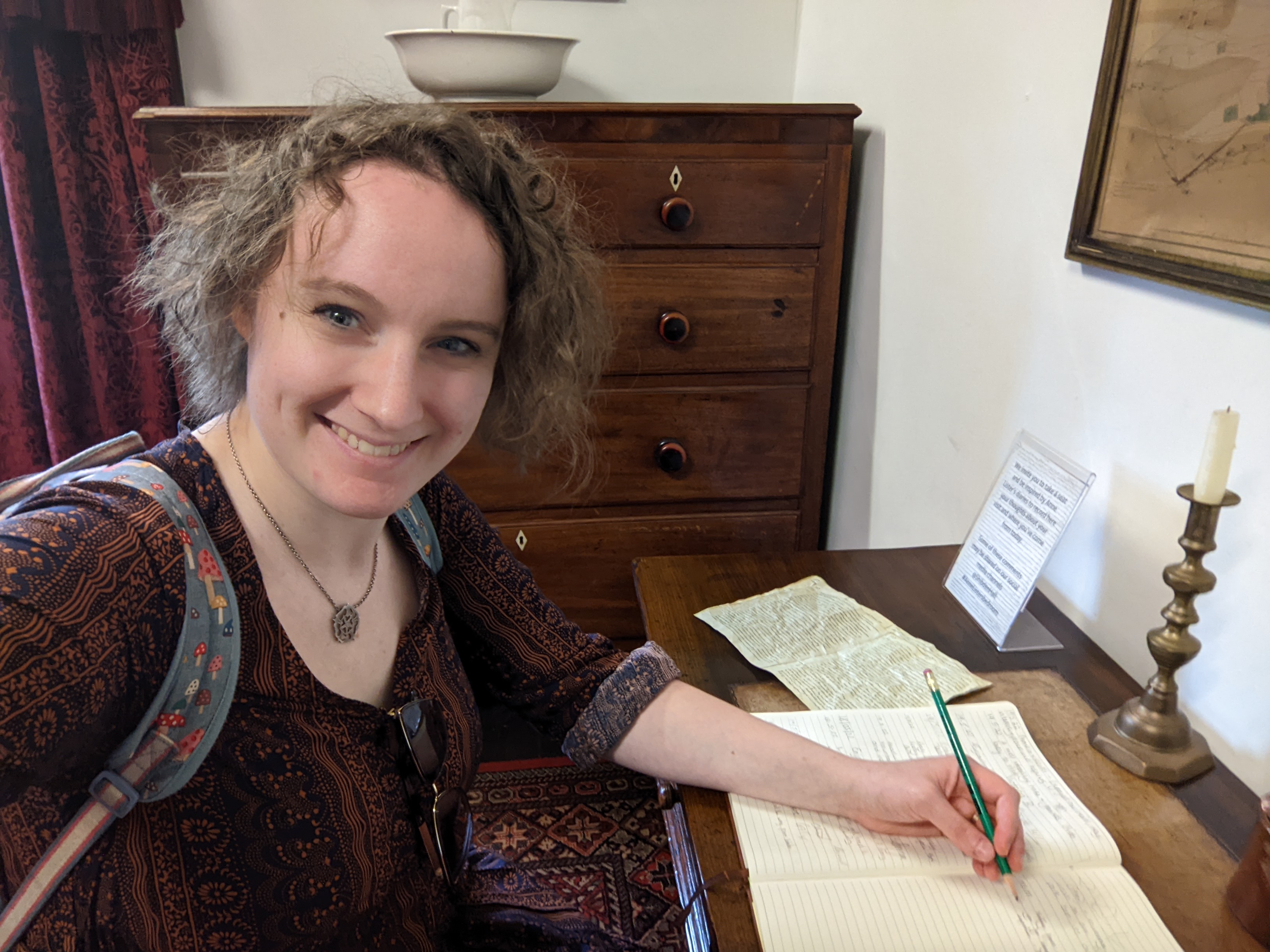
The last room I visited was the bedroom of Ann Walker (Anne’s wife), and it was here that I learned of their fates. It was an unusual experience – having learned so much about the life of a person, but only learning about the conclusion of it at the house where they lived. It was much more personal than reading about it in a history book or on a Wikipedia page, and it affected me quite deeply.
As I left through the gift shop, I bought myself a little keyring with Anne’s portrait on one side, and a quote in her writing on the other: “I am not made like any other I have seen. I dare to believe myself to be different from any others who exist” – 20th August 1823. I hope it might serve as a tiny reminder to be true to myself.
After I’d looked around the hall, I had a lovely time exploring the grounds. The sun had come out by this point, and the omnipresent wild garlic smelled delicious. I was delighted to discover a dry stone wall exhibit which was – as I expected it might be – fascinating!
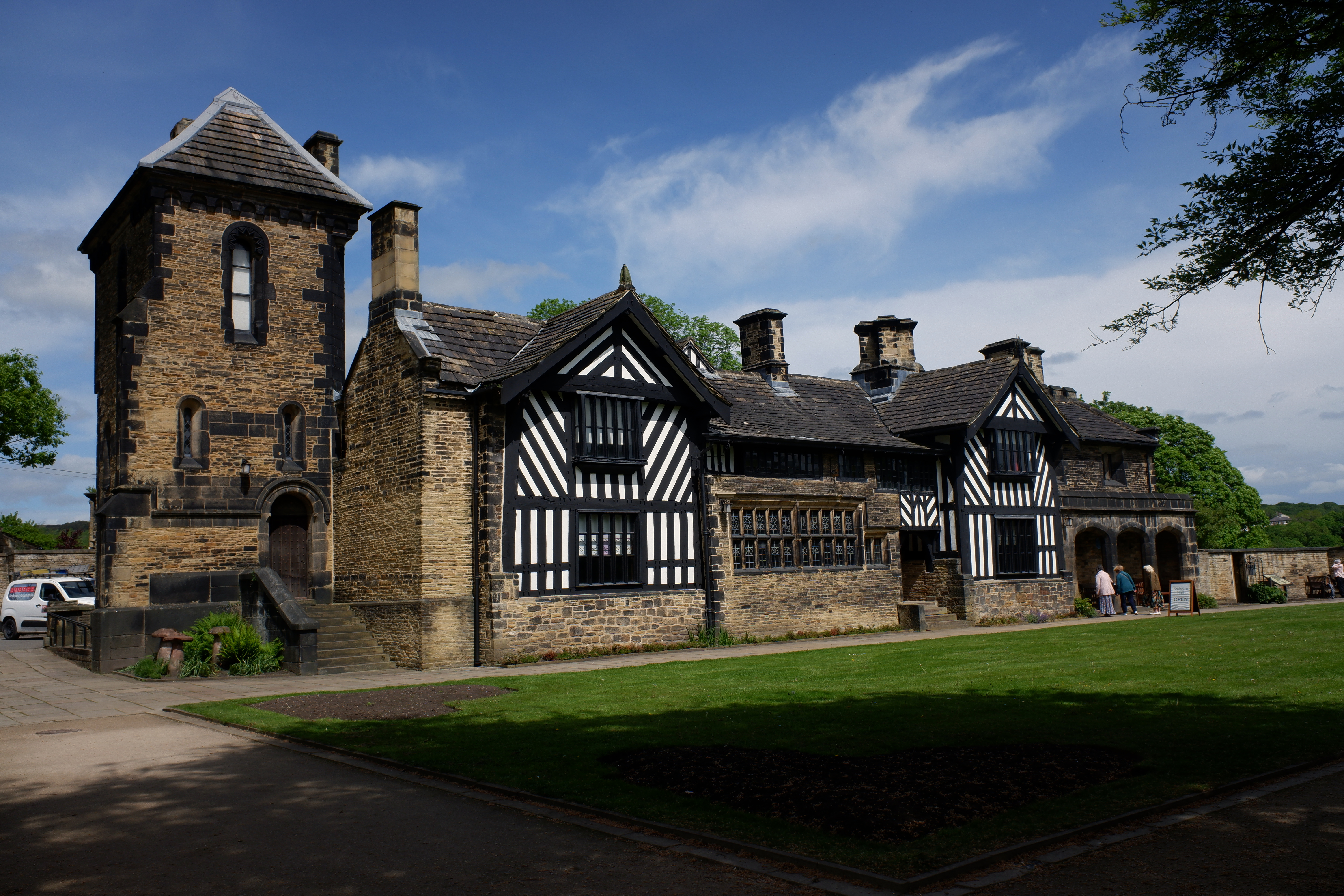
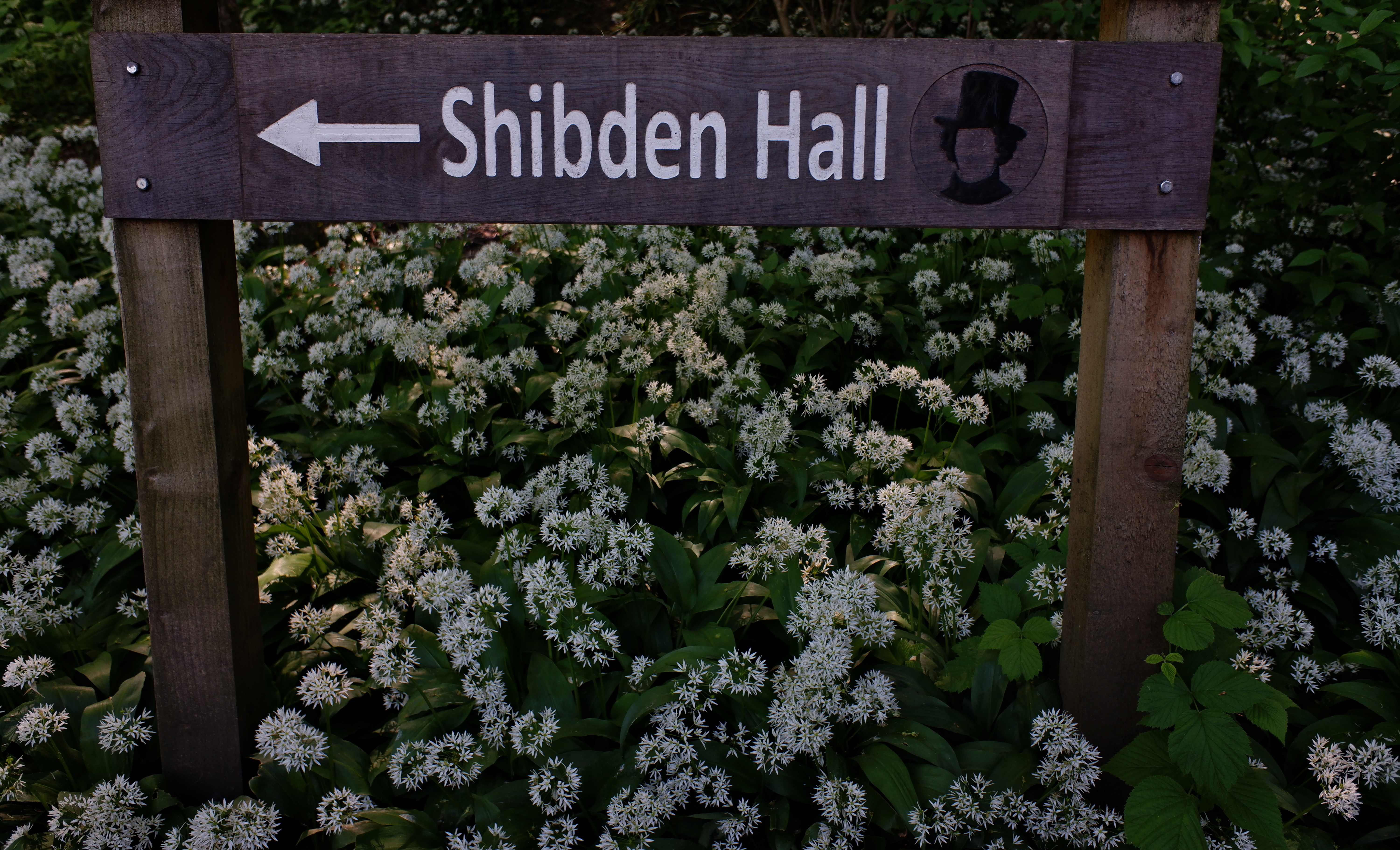
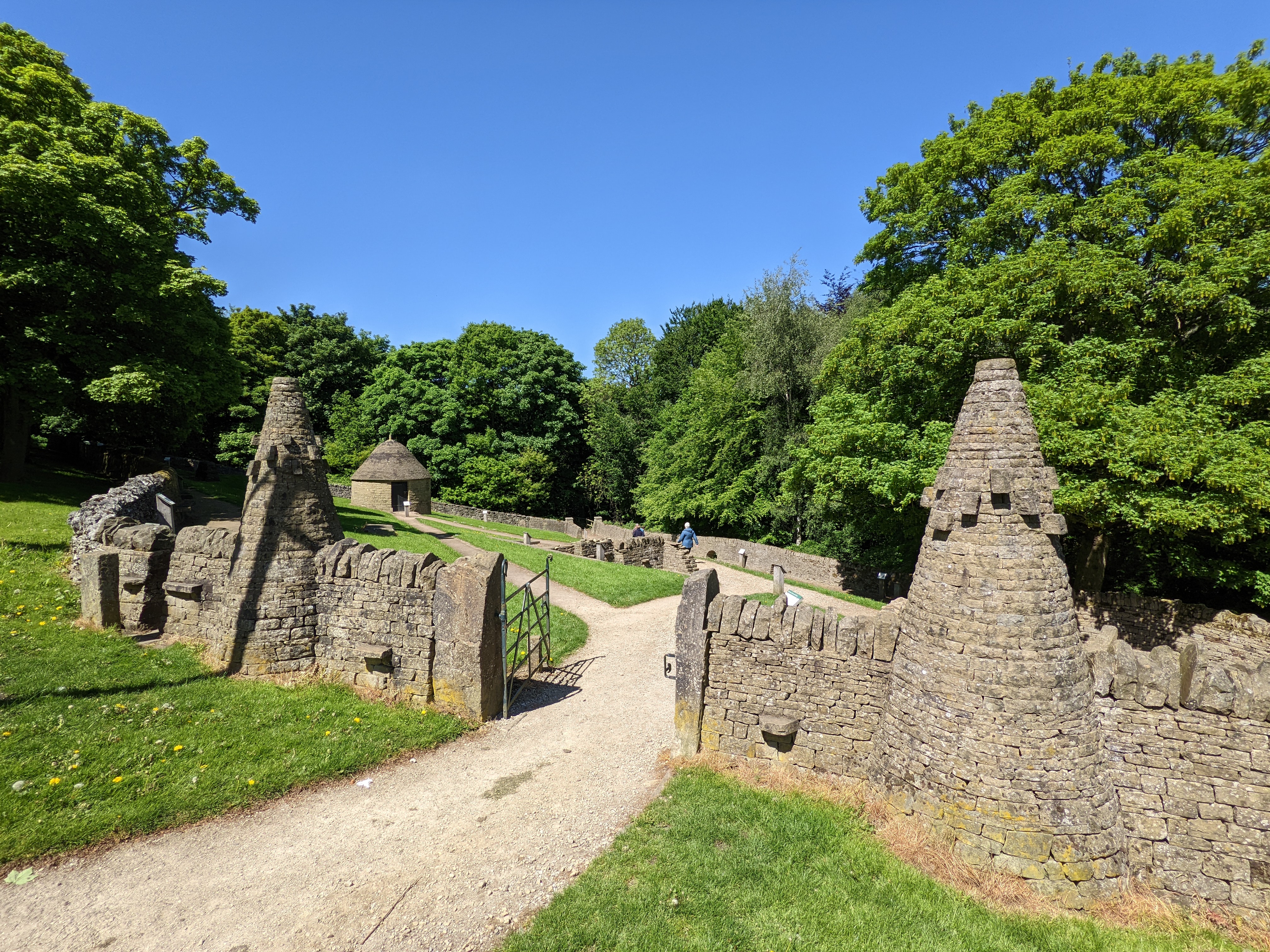

Before I left (and I was reluctant to go), I sat in front of the house and listened to the excellent Gentleman Jack credits music. It was a joyful end to a thoroughly enjoyable visit.
But our story isn’t quite over! On the way up to Shibden Hall, I had spied Halifax Minster. I love a good church, so thought I would visit on my way back to the station. Just across the road, I bumped into Anne again in mural form:
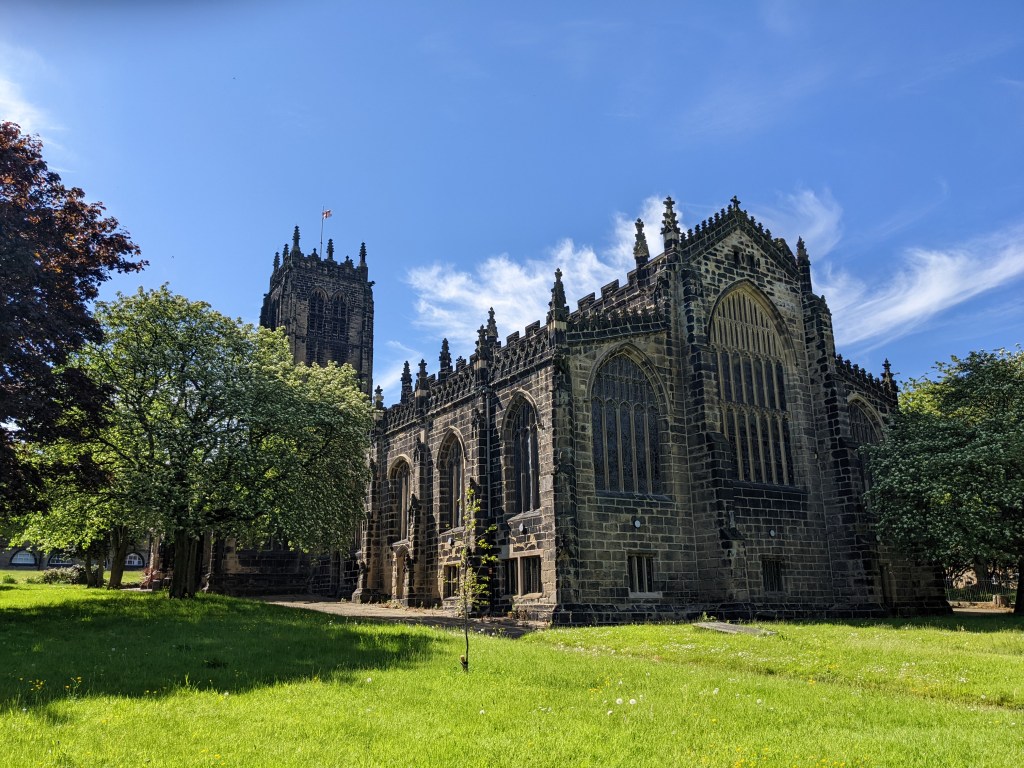
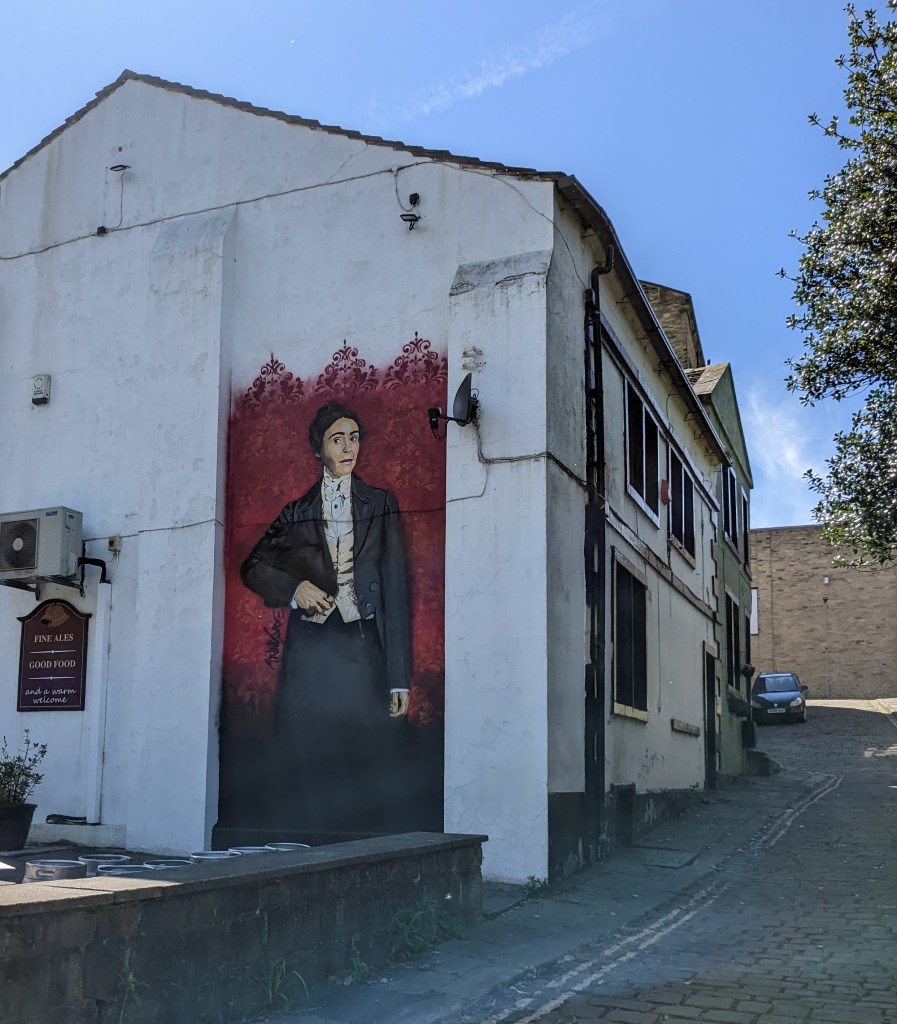
When I went inside the minster, I was greeted by a very friendly lady, who pointed out lots of interesting details about the church. Then she said: “Oh, and did you know that Annie Lister is buried here?” I replied that I didn’t! (Nowhere else have I heard her referred to as “Annie” – but I thought that was quite sweet.)
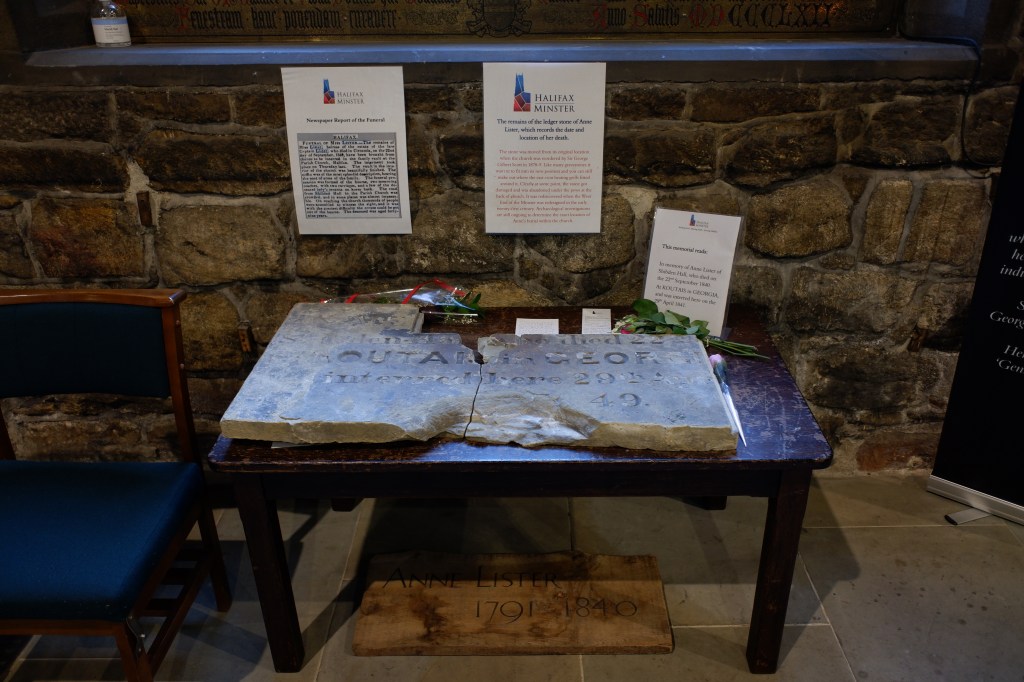
It is no longer known where exactly in the minster Anne is buried. Her tombstone was broken up and used in other parts of the church (as often happened in renovations). But the parts that have been found have been displayed, along with information about her life. And I was touched to see a handwritten prayer for Anne Lister and Ann Walker, signed by two women.
It was entirely serendipitous that I had visited Anne’s final resting place after having visited the home where she spent much of her life. I left Halifax feeling that I had successfully channelled her energy, having taken myself off for a solo adventure and having risen to challenges like the arduous detour. It’s not often that I can take myself off on lone escapades like this (my husband is usually my excellent adventuring companion), but if I find myself in a position to do so again, I will be sure to embrace my inner Anne Lister and seize the day!
 Cryptic Meg
One thought on “Finding Anne Lister”