Here’s another little round-up of books I’ve been reading, just like I did a couple of months ago. I had a busy June, and struggled to find much time to get my nose in a book. But July was quite different, because I finally contracted Covid! (Exclamation point for emphasis, not glee!) I had it pretty badly (I’m still feeling the after-effects many weeks later), and the only thing I could bring myself to do was curl up and read – though even this had to be in fits and starts because my concentration was so compromised.
Hamnet – Maggie O’Farrell
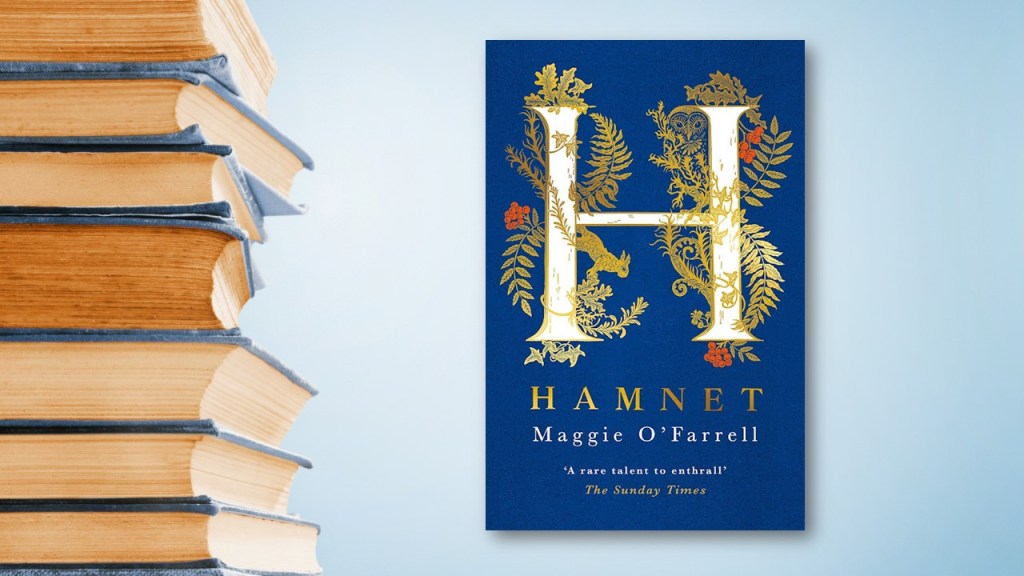
This was an e-reader daily deal that I picked up for 99p. It appealed to me particularly because of my interest in Tudor history, and because I was immediately reminded of a book I enjoyed as a child: King of Shadows by Susan Cooper, from which I first learned that Shakespeare had a son called Hamnet.
This Hamnet uses Shakespeare’s son as a focus to tell the story of a marriage and a family. Now, as I’ve said before, I have a complicated relationship with historical fiction, and am particularly sensitive to inaccuracies and historical missteps. But this book is quite artful. Not much is known about Hamnet as it is, and the author further obfuscates the matter by never using the name Shakespeare, and, for example, by referring to Hamnet’s mother as Agnes (better known to us as Anne Hathaway). She distances us from the celebrated playwright and his known biography, so that we can focus on a “normal” Elizabethan family. In some ways this is extremely effective. I was particularly struck by the portrayal of the loss of a child. It is so often assumed that, with the high rates of infant mortality at this time, parents would have been hardened against the deaths of their children. But historians have challenged this narrative, and the words of Shakespeare himself point to a depth of emotion:
Grief fills the room up of my absent child,
Constance, King John, Act 3, Scene 4
Lies in his bed, walks up and down with me,
Puts on his pretty looks, repeats his words,
Remembers me of all his gracious parts,
Stuffs out his vacant garments with his form;
Then have I reason to be fond of grief?
Particularly in its portrayal of family dynamics and of tragedy, this book was beautifully written. But that did give me pause for thought. Nothing in the book came as a surprise – despite the coy referrals to the subject matter, I still knew that we were talking about William Shakespeare and I knew what was going to happen to Hamnet. I was left wondering: why Hamnet? So much had to be extrapolated from the few known facts of his life. Why not unpin the story entirely – using fictional characters to give the author freedom and the readers mystery? Why fasten this story to a historical figure, only to shy away from his renown? I would like to have seen such talented and evocative writing applied to an original tale, rather than hemmed in by scant biographical facts.
The Pragmatic Programmer: From Journeyman to Master – Andrew Hunt, Dave Thomas

Right, this is a niche one. I’m doing a computer science PhD, and this was recommended to me by my supervisor, who sent me the PDF. It contains very general advice for programming – so general that it was written in 1999 (an age ago in computing terms), and the majority of it still applies! I liked the central metaphor of treating your coding skills like a woodworker would treat their tools – building up a quality portfolio, and always using the right tool for the job. The writing style was engaging, using examples and imagery, and I’ve learned a lot about good practice. I would certainly recommend it to a fellow programmer.
Eliza Rose – Lucy Worsley
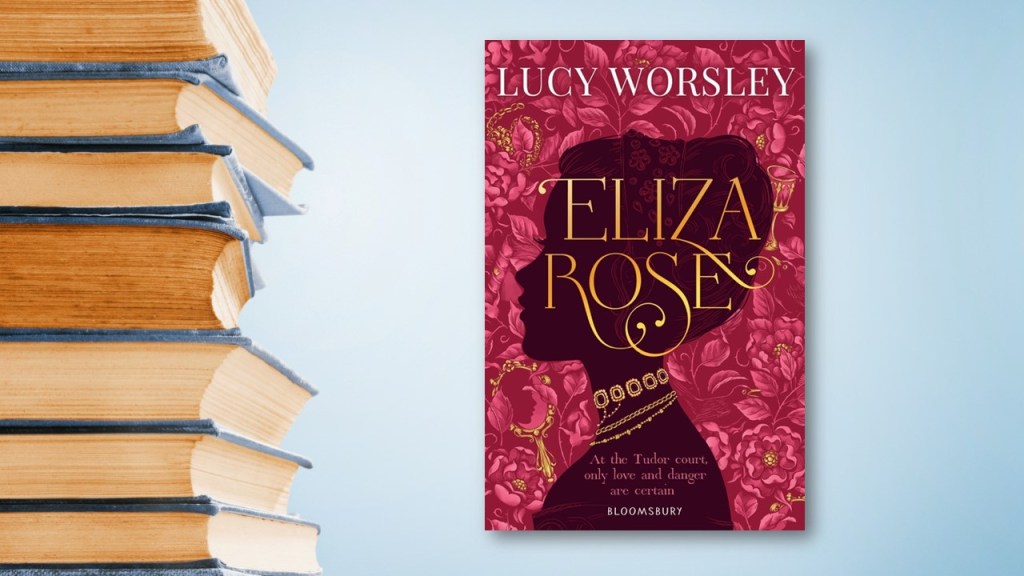
My mum read this for her book group, and passed it on to me to cast my eyes over (given my knowledge of the Tudors, particularly the wives of Henry VIII!). It is written by the historian Lucy Worsley, and tells the tale of the (fictional) young woman Elizabeth Rose Camperdowne, who attends the royal court with her cousin, Katherine Howard.
This book… contains everything I dread seeing in historical fiction.
The inaccuracies were glaring. Katherine Howard’s multiple accused lovers were, bizarrely, rolled into one character. Another key figure (Lady Jane Rochford) was entirely omitted. How Katherine had been able to conduct an affair at court and what evidence there was later against her were never sufficiently explained. The simplification of events warped them beyond recognition, to the point where they no longer made sense.
I also felt that this was a poor and unoriginal take on the story, surprisingly lacking in modern sensitivities. The teenage girls were presented as pouting and preening, their highest ambition to get themselves into the king’s bed. They came across as competitive, shallow, narcissistic – hardly an inspiration to modern teenagers, at whom this book is aimed! Katherine Howard in particular was portrayed as selfish, sly and seductive. In modern parlance, one might say she was slut-shamed. (Particularly strange, when the author said that her intention was to reinstate Katherine Howard!)
What was never addressed was Katherine’s youth, and the fact that she was repeatedly taken advantage of by older men in positions of authority (her music teacher, her aunt’s secretary, the king, the king’s favourite courtier). Surely, in the age of #MeToo, this would be a better focus, challenging (rather than reinforcing) the received image of Katherine Howard as a foolish promiscuous girl? I recommend the musical Six, which does the whole thing a lot better:
Truly Darkly Deeply – Victoria Selman
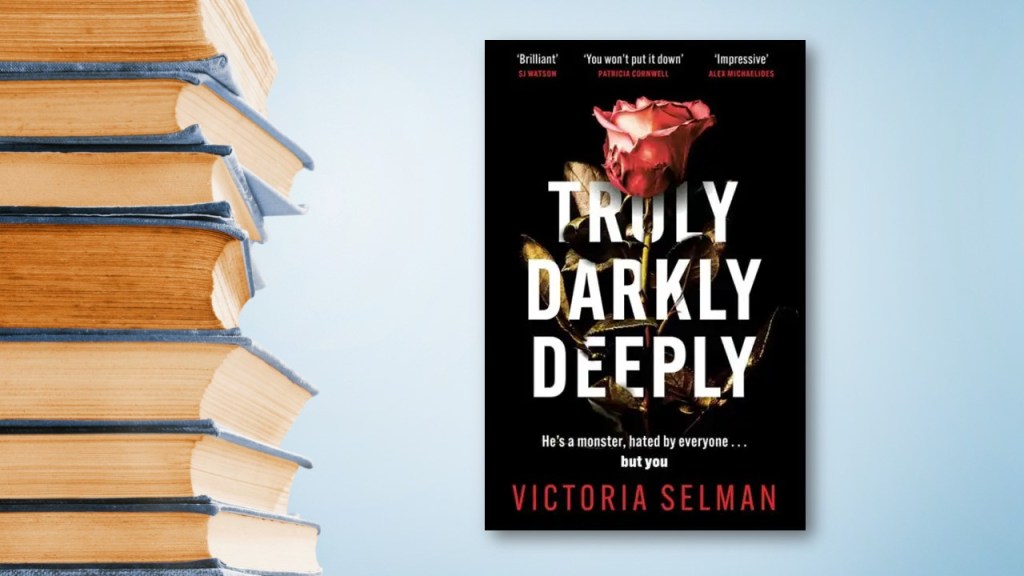
It happened again – I won an early copy of a book through National Book Tokens! (The last time this happened, I wrote a review and the author tracked down my email address to talk to me about it, which was somewhat disconcerting… let’s hope that doesn’t happen again!)
This was not a book that I would have chosen for myself – a thriller about a serial killer. I generally avoid crime novels, because I’ve worked in crime investigation. Just like historical fiction, I’m very sensitive to the inaccuracies. But it’s good to be put out of our comfort zones!
I was certainly gripped by this. I read it in a day (albeit, a stuck-in-bed-with-Covid day). I found it less tasteless than I feared, and as there wasn’t much focus on the investigation, there wasn’t too much for me to be pedantic about. For me though, the conclusion was disappointing and unbelievable, throwing a pall over the preceding book. I was left quite frustrated.
The Practice of Programming – Brian Kernigham, Rob Pike
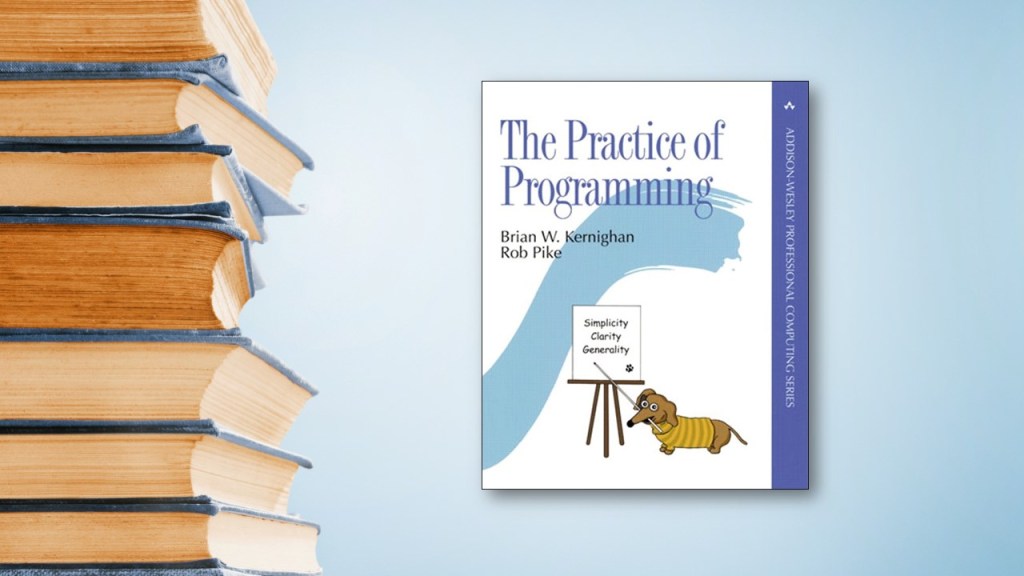
Another recommendation/gift from my supervisor, and also written in 1999! A very similar book to The Pragmatic Programmer (above), which I probably did a disservice by reading second and so shortly after. It reinforced the same messages, but without quite the same flair, and with a few too many code snippets. Still, a good general advice book, whose messages still apply today (impressively).
The Programmer’s Brain – Felienne Hermans
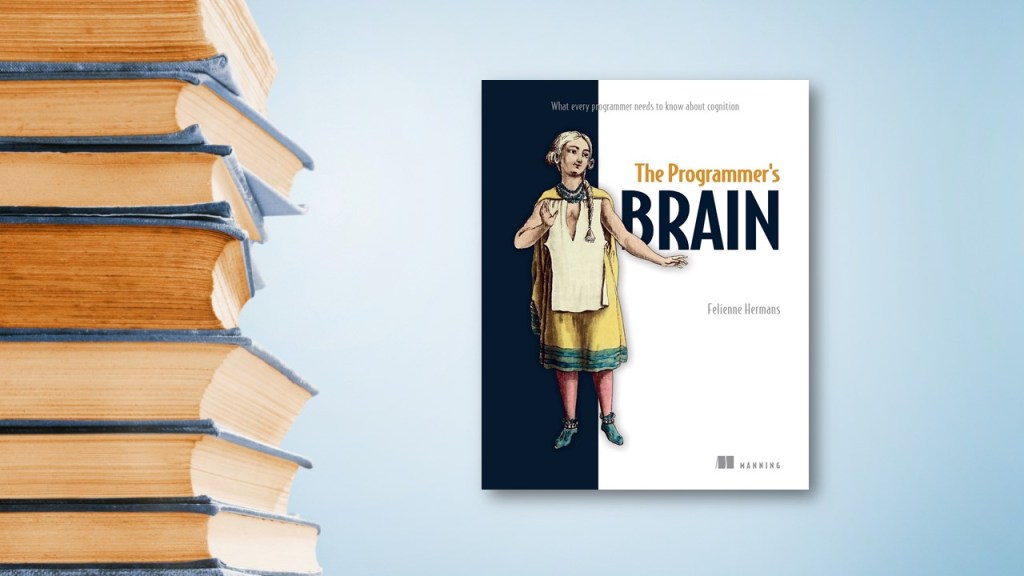
This was a book that I’d bought some time ago for my husband (another programmer), having seen it recommended on Twitter. He had really enjoyed it, so now it was my turn.
This was a nice easy read, and very interesting, looking into the psychology of learning, coding and language. It was particularly fascinating at the beginning of the book – it slightly tailed off in the second half. But it has already affected how I go about coding, and I would recommend it to other programmers (for pure interest, if nothing else).
The Master and Margarita – Mikhail Bulgakov
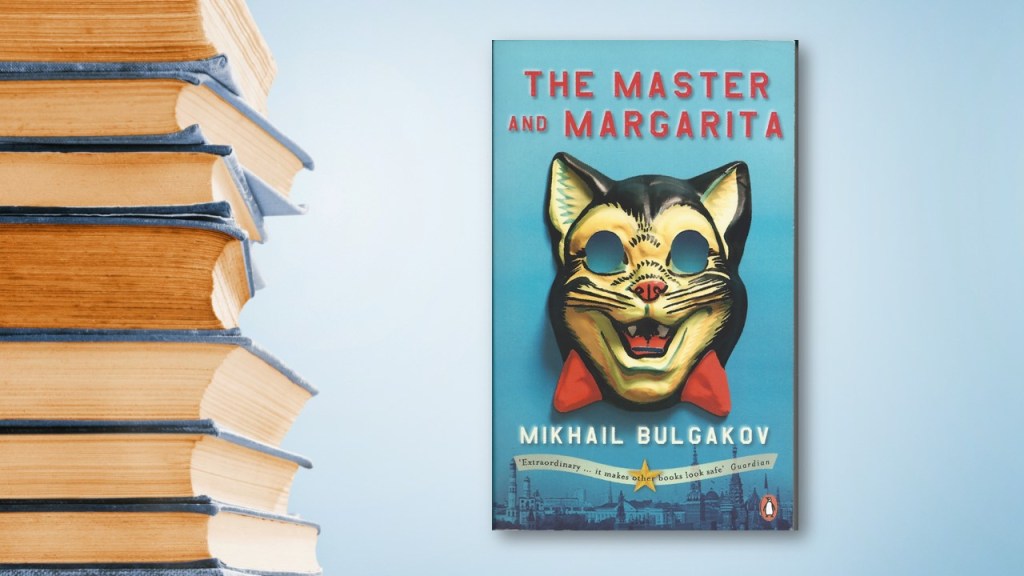
Ever since I’ve known my husband, he’s been recommending that I read this book, one of his favourites. Many years down the line, and off the back of his recent successful recommendation (The Programmer’s Brain, above), I finally decided to make my first foray into Russian literature and give The Master and Margarita a try. It even had the promise of a cat on the front cover.
I… did not get it. Not in the slightest. It made me feel at once stupid and insane. (I was in a funny way because of Covid at the time – maybe that didn’t help). I was particularly distressed that every female character who appeared in it was naked. It was clear to me that I completely lacked the historical context because I didn’t understand ANYTHING about this book.
My husband has a strange taste in books. I shan’t hold it against him.
 Cryptic Meg